Preventative maintenance for Cynosure® laser machineses
By Yuri Shtapura 10 May 2026
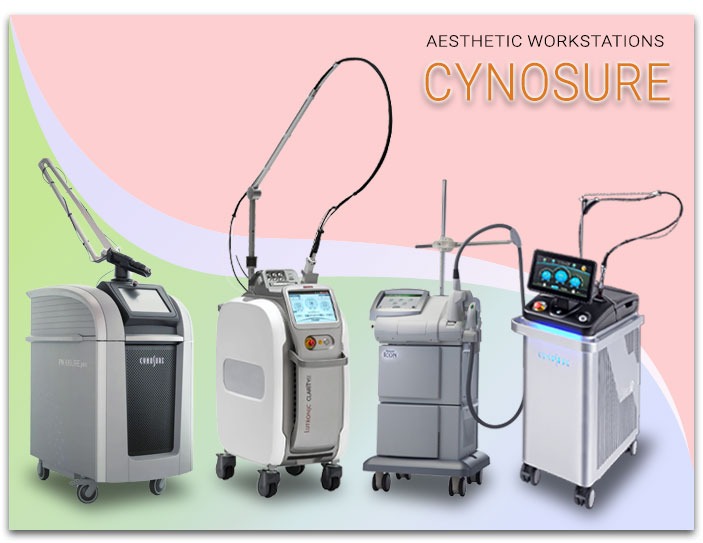
The reality is simple: Preventative maintenance for Cynosure® laser machineses is far less expensive than emergency repairs. Systems like the Cynosure® Elite+, Apogee Elite, PicoSure, Vectus, RevLite, and MedLite C6 are built for high-performance aesthetic treatments. However, they rely on delicate optics, complex cooling systems, high-voltage flash lamps, and sensitive electrical components that require regular attention.
When a Cynosure® laser machine breaks down unexpectedly, clinics lose more than just treatment time—they lose booked appointments, client trust, and daily revenue.
A proactive maintenance schedule helps clinics avoid sudden downtime and extends the life of expensive equipment. Here is exactly what you need to be checking, and when.
Why Preventative Maintenance Matters
Many major laser failures begin as small, easily fixable issues that go unnoticed. Without regular inspections, minor problems like a dirty cooling system, worn flash lamps, or a clogged DI water filter can quickly cascade into catastrophic damage.
Ignoring a small coolant leak or dirty optics can ultimately result in cracked flow tubes, overheating failures, laser rod damage, or full machine shutdowns. Routine maintenance protects your investment and keeps your clinic operating at peak efficiency.
The Ultimate Cynosure® Maintenance Checklist
Daily Maintenance (Before Treatments Begin)
These quick checks should happen every single morning to ensure daily operational safety:
- Check Water Levels: Verify coolant levels are within the proper operating range. Low water levels are the primary trigger for overheating issues.
- Inspect for Leaks: Look closely around the laser head connections, water lines, internal compartments, and handpiece areas. Even microscopic leaks can lead to major internal failures.
- Clean Handpieces: Remove dust, debris, cooling gel residue, and contamination after every single treatment. Dirty handpieces severely reduce treatment effectiveness and can damage the optics.
- Check System Startup: Watch for early warning signs like unexpected error codes, unusual noises, slow startup times, or warning lights.
Weekly Maintenance
These checks help identify system wear before major damage occurs:
- Inspect DI Water Filters: A clogged DI water filter is one of the most common causes of laser cooling issues. Replace filters exactly as recommended.
- Check Cooling Fans: Dust buildup reduces airflow and triggers overheating. Clean the external vents and inspect the internal fans regularly.
- Examine Cables and Connectors: Look for frayed cables, loose connections, damaged umbilical cords, or bent pins. Damaged communication cables often create highly preventable service calls.
- Clean External Surfaces: Dust buildup around vents and electronics acts as an insulator, creating heat problems over time.
Monthly Maintenance
These deeper inspections help extend the overall lifespan of your machine:
- Evaluate Flash Lamp Performance: Flash lamps naturally degrade with every pulse. Signs of wear include lower energy output, inconsistent pulses, misfires, and longer treatment times. Replacing lamps early prevents excess strain on the power supply.
- Inspect Optics: Check the focus lenses, mirrors, and protective windows. Dirty or damaged optics can scatter the beam and reduce treatment quality.
- Review Treatment Logs: Track your pulse counts, error frequency, and service history. This data is vital for predicting future maintenance needs.
Quarterly Maintenance
Every few months, clinics should perform a deeper system evaluation:
- Cooling System Inspection: Evaluate water pump performance, check for flow restrictions, and inspect internal hoses for brittleness.
- Electrical Inspection: Review power stability, internal wiring conditions, and capacitors.
- Calibration Testing: Ensure your laser is actually delivering the proper energy output it displays on the screen to guarantee safe, effective treatments.
Annual Preventative Maintenance
A Preventative maintenance for Cynosure® laser machineses highly recommended for busy clinics. This typically involves a full diagnostic test, laser head inspection, seal replacement, flow tube inspection, internal cleaning, calibration verification, and the replacement of worn internal components. Professional servicing is the best way to avoid catastrophic failures.
Common Parts That Wear Out First
To avoid unexpected delays, it is smart to know which Cynosure components fail most often. These include:
- Flash lamps
- DI water filters
- Flow tubes and seal kits
- Water pumps
- Handpiece lenses and windows
Keeping these consumable parts readily available dramatically reduces downtime when issues appear.
Why Parts4Laser Helps Clinics Stay Operational
Waiting until your machine fails is an expensive strategy. Parts4Laser helps clinics across the US maintain their laser systems with fast access to premium replacement components and expert repair support.
We provide parts for the entire Cynosure lineup, including the Elite+, Apogee Elite, PicoSure, Vectus, RevLite, and MedLite C6. Whether you need flash lamps, water pumps, DI filters, optics, or full handpiece rebuild kits, our fast shipping helps you stay operational.
Smart maintenance always costs less than emergency repairs. Visit our homepage to secure your backup parts today: https://parts4laser.com/
Frequently Asked Questions
How often should Cynosure lasers be serviced? Basic inspections should happen daily and weekly by your clinic staff. Professional, comprehensive servicing is recommended annually, or more frequently based on high usage volume.
What is the most commonly replaced Cynosure part? Flash lamps and DI water filters are among the most frequently replaced consumable components.
Can preventative maintenance reduce repair costs? Yes. Early maintenance prevents minor component wear from turning into major, expensive emergency repairs (like a shattered laser rod).
Should clinics keep spare parts in stock? Absolutely. High-volume clinics benefit immensely from keeping critical consumable parts (like lenses, filters, and lamps) on hand to eliminate shipping delays during a breakdown.
Post navigation
Previous Post
 The Future of Aesthetic Laser Technology.