Best Repair Services for Cynosure Laser Machines in the US
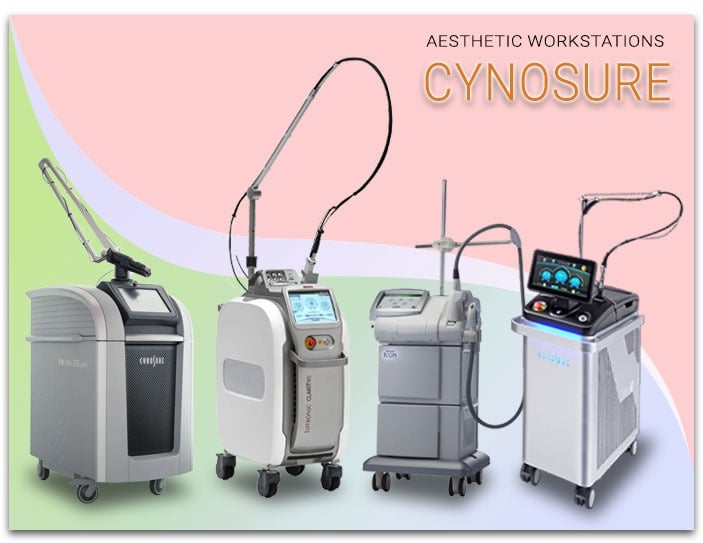
When your Cynosure laser goes down, it is not just a technical inconvenience—it is lost bookings, frustrated clients, and revenue bleeding by the hour. Clinics across the US rely heavily on Cynosure platforms like the Elite+, PicoSure, and Vectus for high-demand treatments such as hair removal, skin rejuvenation, and tattoo removal. When these complex dual-wavelength systems fail, you need fast, knowledgeable repair support from specialists who know the equipment inside out.
So, what separates true Cynosure repair experts from general technicians?
What the Best Cynosure Repair Specialists Actually Do Well
Top-tier laser repair specialists do far more than swap flash lamps and reset error codes. They understand how Cynosure lasers behave in high-volume clinic environments and how a minor water flow issue can turn into a shattered laser rod if handled poorly.
The best providers offer rapid diagnostics, direct access to high-quality replacement parts, and engineers trained specifically on Cynosure architecture. They also advise on preventative maintenance so that problems are avoided rather than repeated.
Most importantly, they understand that clinics need uptime, not excuses. Speed, accuracy, and transparency matter more than flashy branding.
Why Specialist Knowledge Matters for Cynosure Systems
Cynosure aesthetic lasers are sophisticated, highly specialized medical devices. Systems like the Apogee Elite combine Alexandrite and Nd: YAG lasers with intricate cooling systems, high-voltage power supplies, and delicate fiber optics that must align perfectly.
General electronics repair companies often lack the hands-on experience needed to properly diagnose these machines. Misdiagnosis leads to:
- Unnecessary part replacements
- Repeat system failures
- Extended clinic downtime
Specialists focus exclusively on laser systems. They know exactly how different Cynosure models age, which flow tubes crack under pressure, and when a laser head cavity pump chamber needs a full rebuild. That depth of knowledge saves you time and money.
The Role of Parts Availability in Fast Repairs
One of the biggest delays in laser repair is waiting for parts. Clinics are often told repairs will take weeks simply because components are backordered from the manufacturer.
This is where Parts4Laser stands apart.
As specialists in aesthetic laser parts and repair support, Parts4Laser stocks a massive inventory of Cynosure components—from Elite+ focus lenses and fiber optic cables to water pumps and DI filters. Instead of waiting on long manufacturer lead times, clinics get the parts they need when they need them.
This approach dramatically reduces downtime and gives clinics more control over their maintenance schedules. You can learn more about our specialist support and browse our Cynosure parts inventory on our homepage:
Home
Rebuilding, Refurbishing, and Long-Term Support
The best laser repair providers do not just put a band-aid on today’s problem; they help clinics extend the life of their equipment.
For Cynosure machines, this often means:
- Laser Head Rebuilds: Replacing flash lamps, seal kits, and flow tubes to restore optimal energy output.
- Handpiece Refurbishment: Fixing cracked shells and replacing worn optics.
- Preventative Maintenance: Replacing DI water filters and checking cooling systems before they cause catastrophic damage.
Working with Parts4Laser means routine wear is addressed early, before it becomes an expensive, emergency failure.
Nationwide Support and Remote Diagnostics
Geography matters when your machine is down. Clinics need a partner who can support them regardless of location.
Leading laser repair specialists combine nationwide logistics with remote diagnostics. Often, if you email a picture of the error code on your Cynosure screen, initial fault-finding can be done remotely. This ensures the right parts and tools are prepared before any lab repair or onsite work begins, reducing wasted time and getting machines back into service faster.
Parts4Laser supports clinics across the US with this exact mindset: practical solutions, fast turnaround, and clear communication at every step.
Why Clinics Trust Parts4Laser for Cynosure
Parts4Laser specializes in cosmetic laser parts and repair support because focus matters. We understand the intense pressure clinic owners face to keep machines running and clients happy.
Our approach is straightforward: Diagnose accurately. Supply the right parts. Get the equipment back into service quickly. Support clinics long-term, not just for one-off fixes.
If you rely on Cynosure aesthetic laser systems to run your business, working with a specialist is not optional. It is essential.
Frequently Asked Questions
What types of Cynosure lasers can be repaired?
We service a wide range of Cynosure platforms, including the Apogee Elite, Elite+, Elite iQ, PicoSure, Vectus, MedLite C6, and RevLite, provided the correct parts and expertise are available.
How long does a Cynosure laser repair usually take?
Repair time depends on the fault, but because we stock key OEM-quality components (like flash lamps, seal kits, and lenses), many repairs and laser head rebuilds can be completed far faster than standard manufacturer timelines.
Is it better to repair or replace a Cynosure laser?
In many cases, repairing a specific component or refurbishing the machine is vastly more cost-effective than purchasing a brand-new system. A specialist can advise you honestly based on the exact condition of your machine.
Do Cynosure machines need preventative maintenance?
Yes. Preventative maintenance—such as changing DI water filters and monitoring lamp life—reduces unexpected failures and extends the working life of the system. It is often the difference between a planned service and an expensive emergency repair.
Can parts be supplied without full repair services?
Yes. Parts4Laser specializes in supplying aesthetic laser parts directly to clinics and independent repair professionals.
Last updated on 19 March 2026